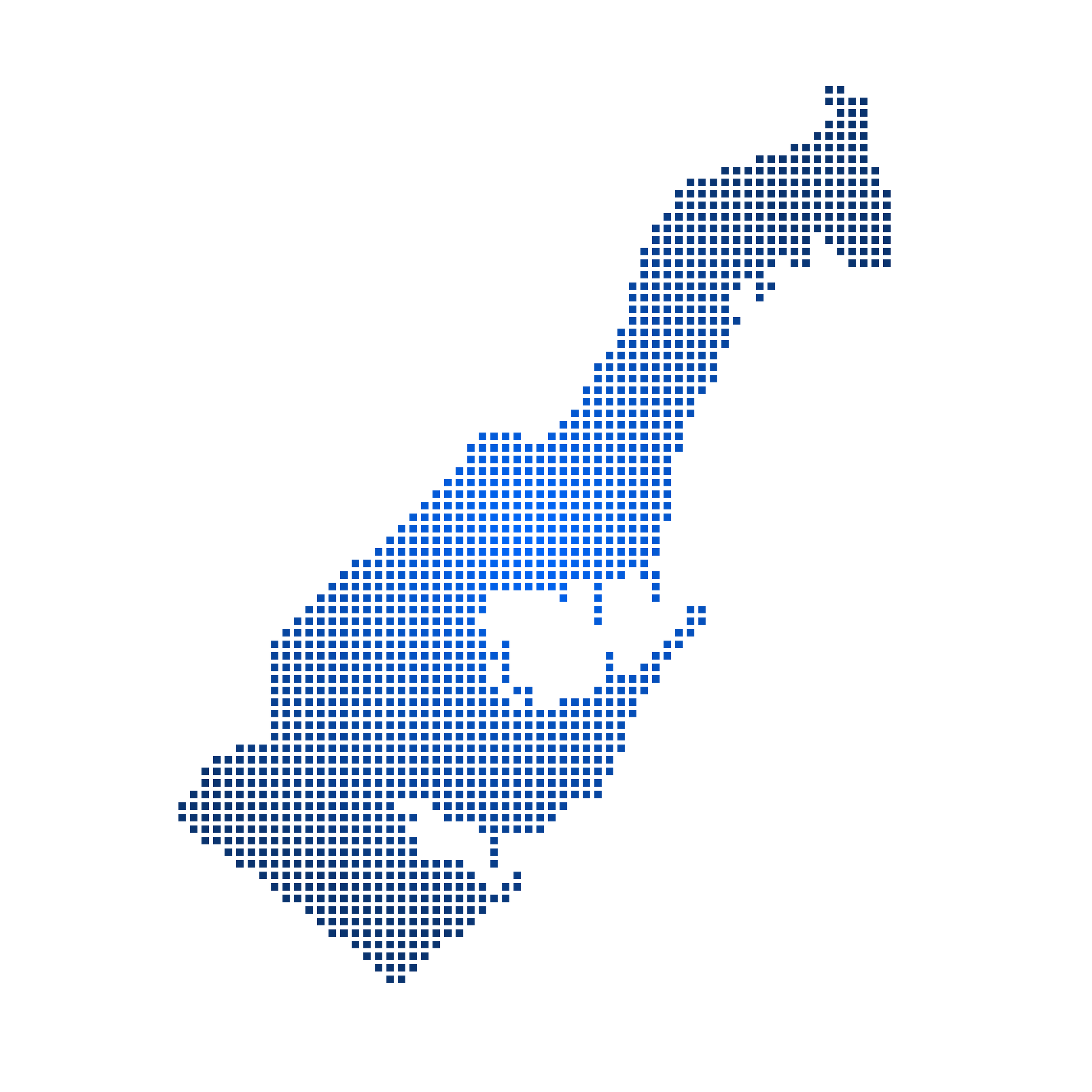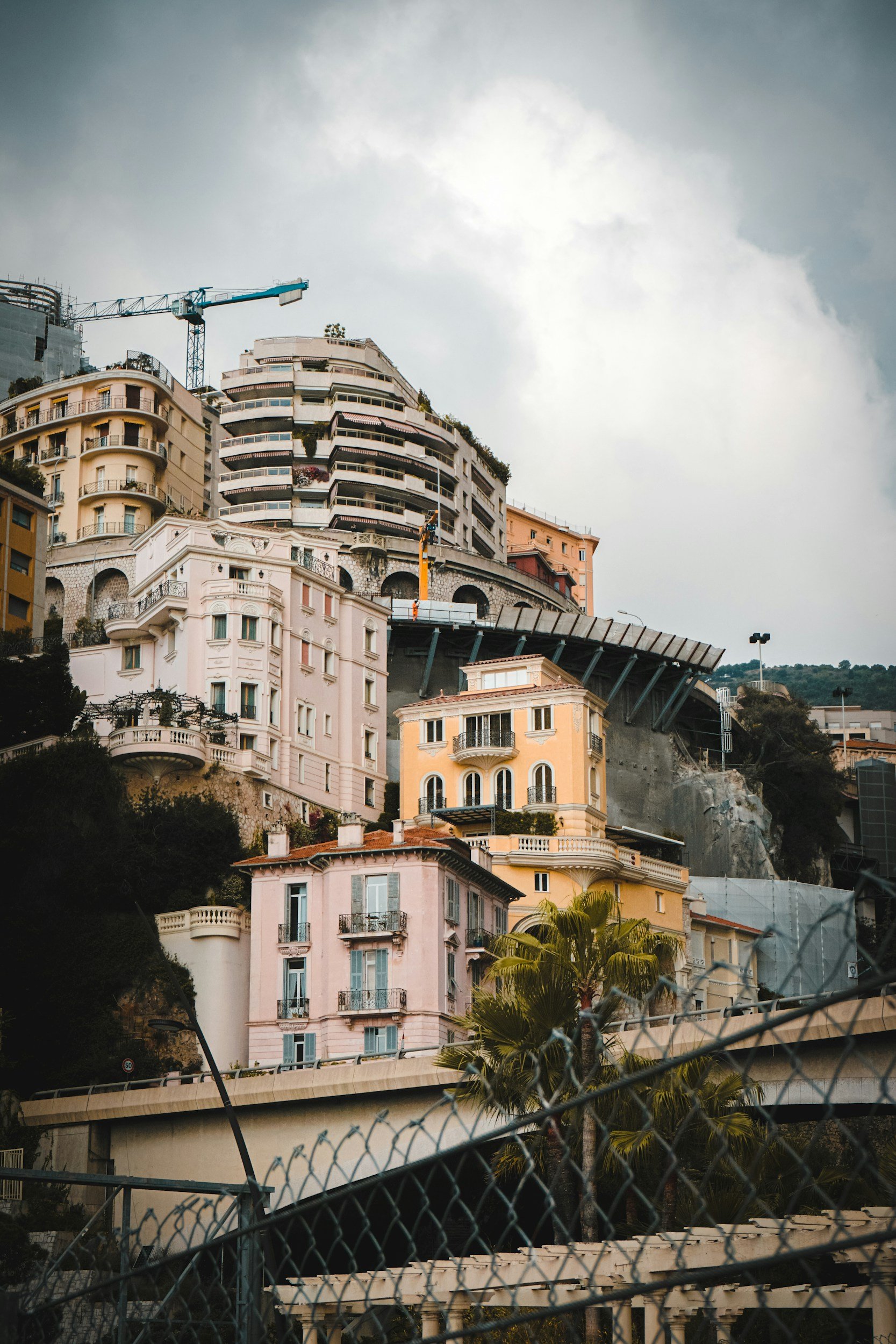
Monaco

While most of its 38,467 residents are international, a unique people group - the indigenous Monégasque - remain walled off from the Truth of the Gospel. Descending from 200-300 original families, only a scattering of the 9,500 Monégasque have an authentic relationship with Jesus. For them, life is lived in a bubble, as one Monégasque noted, “it’s really like a small village where you know everyone.” This insular nature has made it complicated for Christianity to take root in the nation and work among the Monégasque continues to be rare and thwarted Opulence and wealth mark this nation. It may be a leader in marine conservation research, house the International Atomic Energy Agency and have a thriving banking industry - but it’s primarily known as a tax haven, with 30% of residents being millionaires. It vies for top rank in the world for wealth per capita, with the average wealth of a resident exceeding $10 million. The allure of money traps most Monégasque in Monaco unwilling to give up the privileges of priority in hiring, promise of life-long employment, non-existence of taxes, and buying or renting at 25% of otherwise inflated real estate prices.

The shiny veneer masks a void of emptiness, greed and corruption. Some might liken it to a European Las Vegas where the mafia launders money through its casinos, high class drugs and prostitution proliferate behind the scenes, and corruption entrenches itself. A Monégasque friend noted, “I didn’t want to raise my family there because its values are not good…either you are born there (and then it is all about who you know) or you come to avoid taxes - which tells you about their character.” Church planting efforts in Monaco mirror the parable of the seeds - attempts to establish a thriving community wither in the “blazing sun” of religious bias (if you are not Catholic, you are a cult), or are soon “choked out” by weeds of financial costs to rent a meeting space or governmental permissions. Small groups sprang up through the years, gathering the handful of already-Christian internationals temporarily in the city, and often eventually dwindled out.

For the majority of those living in Monaco, weekends are opportunities to flee traffic jams, swarming tourists and the “living in a glass house” nature of society to enjoy skiing or other past-times at second homes in the nearby Italian mountains or the French Riviera. Glaring economic and cultural disparities between the primarily international community working service jobs and the insular Monégasque people cause confusion in knowing how to contextualize the Gospel to meet the needs of these unique groups. Creative strategies, tenacity and anointing are needed if the lack of Gospel presence is to be reversed. How can hearts be pierced with Truth for a people who feel like they have everything they need, have no desire to change traditions intertwined with their cultural identity, and have no margin in their life for anything but the pursuit of pleasure, success, fame and fortune? Various types of outreach need to be innovated, as well as reflective planning on a potential churches’ location (inside the city or on the outskirts?), schedule (weeknights or Sunday evenings?), and style (quality of location and sense of organization). May God lead us towards building locally rooted churches that bring transformation to both the international community, as well as to the Monégasque people!

Current # of Workers

0

Target # by 2033

10

Receiving capacity

10

Current # of Churches

1

Target # of Churches by 2033

3

Country population from Joshua Project

37,000

Evangelical believers from Joshua Project

1.3%

Unreached People Groups

2

Current projects & amount needed to fund

Church plant among international Monegasque and expats - $100.000; Church plant among lower income workers in hospitality industries - $25,000.

Previous
Previous

Malta

Next
Next

Montenegro